









 Editorial Team
Introduction
Choosing the right surface material can influence how a space looks, performs and feels over time. From kitchen countertops and reception desks to healthcare interiors and commercial environments, architects need materials that balance appearance with everyday functionality.
Durlax Top Surface Limited offers architectural surface solutions for residential, commercial and institutional projects. Its portfolio includes acrylic solid surfaces, AASA laminates and zinc surfaces, giving designers different options for architectural applications.
Understanding these materials and their properties can help architects make informed choices for their projects.
What Is Durlax Top Surface Limited?
Durlax Top Surface Limited is an Indian company specialising in engineered surface materials for architecture and interior design.
Established in 2010, the company manufactures solid surface materials at its facility in Vapi, Gujarat. Its products are supplied in India and international markets.
The company’s portfolio includes products designed for countertops, furniture, decorative surfaces and selected architectural applications.
For architects and interior designers, material selection depends on factors such as appearance, durability, fabrication and maintenance.
Durlax Top Surface Limited: Products and Materials
Durlax offers different surface solutions for residential and commercial projects.
1. Acrylic Solid Surfaces
Acrylic solid surfaces are engineered materials commonly used for kitchen countertops, bathroom vanities, reception desks and customised furniture.
One advantage is their ability to create smooth surfaces with joints that can be made visually inconspicuous through suitable fabrication.
Durlax offers solid surface collections under brands including Luxor, Aspiron and Heronitez.
Depending on the product specifications, these materials can support curved designs, customised fabrication and different colours and finishes.
2. AASA Laminates
Durlax also offers AASA laminates as part of its architectural surface portfolio.
Laminates provide additional options for decorative and architectural applications.
Before selecting a laminate, architects should evaluate its technical specifications, durability, installation requirements and suitability for the intended environment.
3. Zinc Surfaces
The company’s DLZINC range includes architectural zinc surfaces.
Zinc can create a distinctive metallic appearance and may be considered for architectural applications where the specified product and installation system are suitable.
When working with zinc surfaces, architects should evaluate substrate compatibility, detailing, drainage and environmental exposure.
Where Are Durlax Surface Materials Used?
Architectural materials must respond to different functional and design requirements.
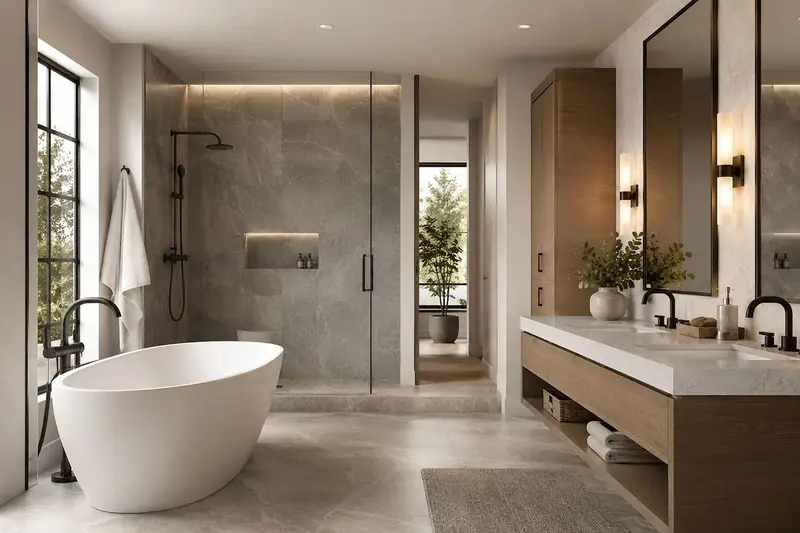
Residential interiors: Acrylic solid surfaces can be used for kitchen countertops, bathroom vanities and customised furniture.
Commercial spaces: Offices, retail stores and reception areas often require materials that balance visual appeal with durability and maintenance.
Healthcare environments: Suitable non-porous solid surfaces can support cleaning requirements when properly fabricated and maintained. Product-specific technical documentation should be checked.
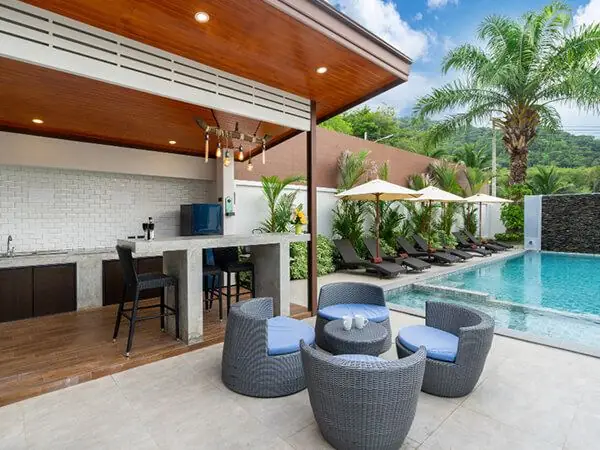
Hospitality projects: Hotels and restaurants may use engineered surfaces for reception desks, counters, washrooms and decorative interior elements.
Architectural applications: Selected surface products may be considered for specialised architectural uses when their technical specifications permit.
Why Are Solid Surface Materials Popular in Modern Interiors?
Solid surface materials offer several benefits for architects and interior designers.
Design Flexibility
Certain acrylic solid surfaces can be thermoformed, allowing designers to create curved forms and customised elements.
This makes them useful for reception counters, furniture and other interior features.
Smooth Appearance
With appropriate fabrication, solid surfaces can create joints that are less visible, resulting in a continuous appearance.
Maintenance
Many solid surfaces are non-porous and can be cleaned using manufacturer-recommended methods.
However, scratch resistance, heat resistance and chemical resistance vary by product.
Colours and Finishes
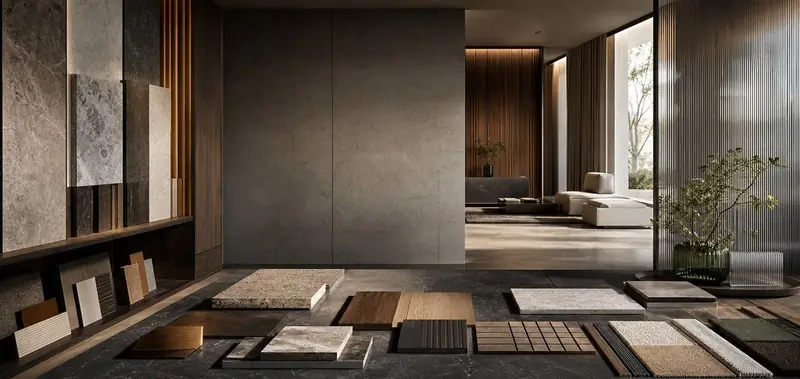
Engineered surface collections are available in different colours, patterns and finishes, allowing designers to coordinate them with an interior’s overall material palette.
How Should Architects Choose the Right Surface Material?
Choosing the right architectural surface involves more than selecting an attractive finish.
Architects should consider:
- Application: Where will the material be installed?
- Durability: What level of wear will the surface experience?
- Maintenance: How frequently will it need cleaning or repair?
- Fabrication: Can the material support the required shapes and detailing?
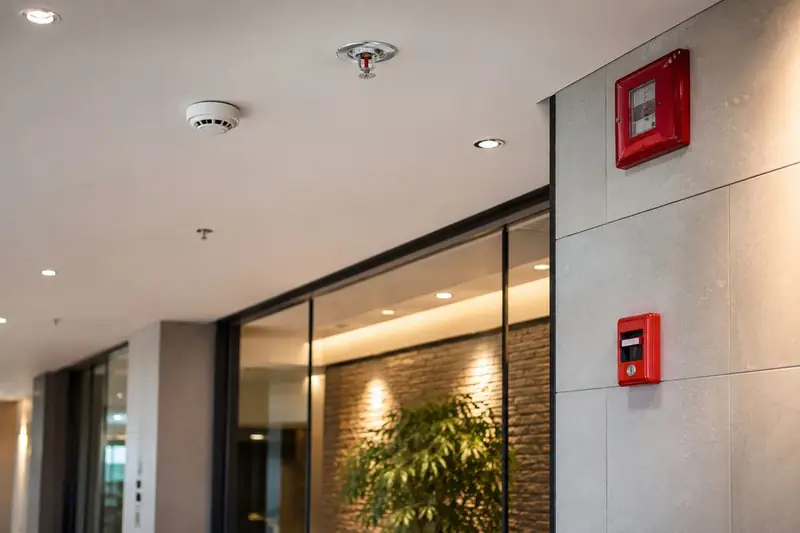
- Safety: Are relevant performance test reports available?
- Budget: What are the installation and long-term maintenance costs?
Material selection also depends on how different finishes work together.
For projects involving building exteriors, architects can explore facade materials and their applications to understand how surface choices influence architectural design.
For more information about materials, finishes and products used in architecture and interior design, explore All About Material.
Publishing note: Replace the first homepage link above with the exact URL of your published “Facade Materials: Types, Benefits and How to Choose” article. This creates a more relevant internal link.
The Role of Surface Innovation in Architecture and Interior Design
Surface materials influence the appearance, functionality and maintenance of a building.
Companies such as Durlax Top Surface Limited contribute to the range of engineered material options available to architects and interior designers.
As design requirements become more specific, understanding material performance and installation becomes increasingly important.
Architects can also explore different product categories, finishes and architectural solutions through All About Material.
For product collections and technical information, visit the official Durlax website.
Frequently Asked Questions
Q: What is Durlax Top Surface Limited?
A: Durlax Top Surface Limited is an Indian architectural surface solutions company offering solid surface materials, laminates and zinc surfaces for different design applications.
Q: What products does Durlax Top Surface Limited offer?
A: Its portfolio includes acrylic solid surfaces, AASA laminates and DLZINC architectural zinc surfaces. Its solid surface brands include Luxor, Aspiron and Heronitez.
Q: Where are Durlax solid surfaces used?
A: Durlax solid surfaces are used in residential, commercial, hospitality and healthcare environments, including countertops, vanities and reception areas.
Q: Are acrylic solid surfaces suitable for kitchen countertops?
A: Acrylic solid surfaces can be used for kitchen countertops, but designers should review product-specific heat resistance, scratch resistance and maintenance requirements.
Q: Where can architects learn more about Durlax products?
A: Architects can visit the official Durlax website to explore its product collections and request technical information.
Conclusion
Durlax Top Surface Limited offers architectural surface solutions for different design and functional requirements.
From acrylic solid surfaces to laminates and zinc materials, its portfolio provides options for architects and interior designers working on modern spaces.
The right material choice depends on its intended application, technical performance, fabrication and maintenance requirements.
Explore more architectural materials, products and design inspiration at All About Material.