









 Editorial Team
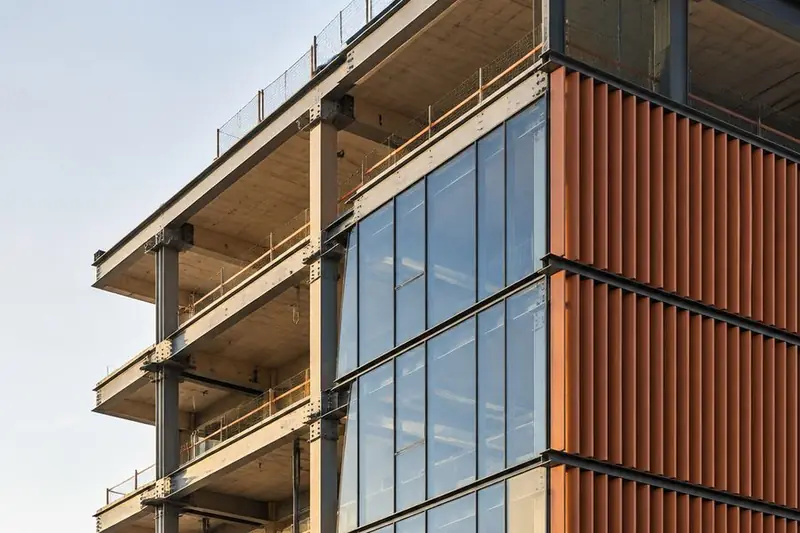
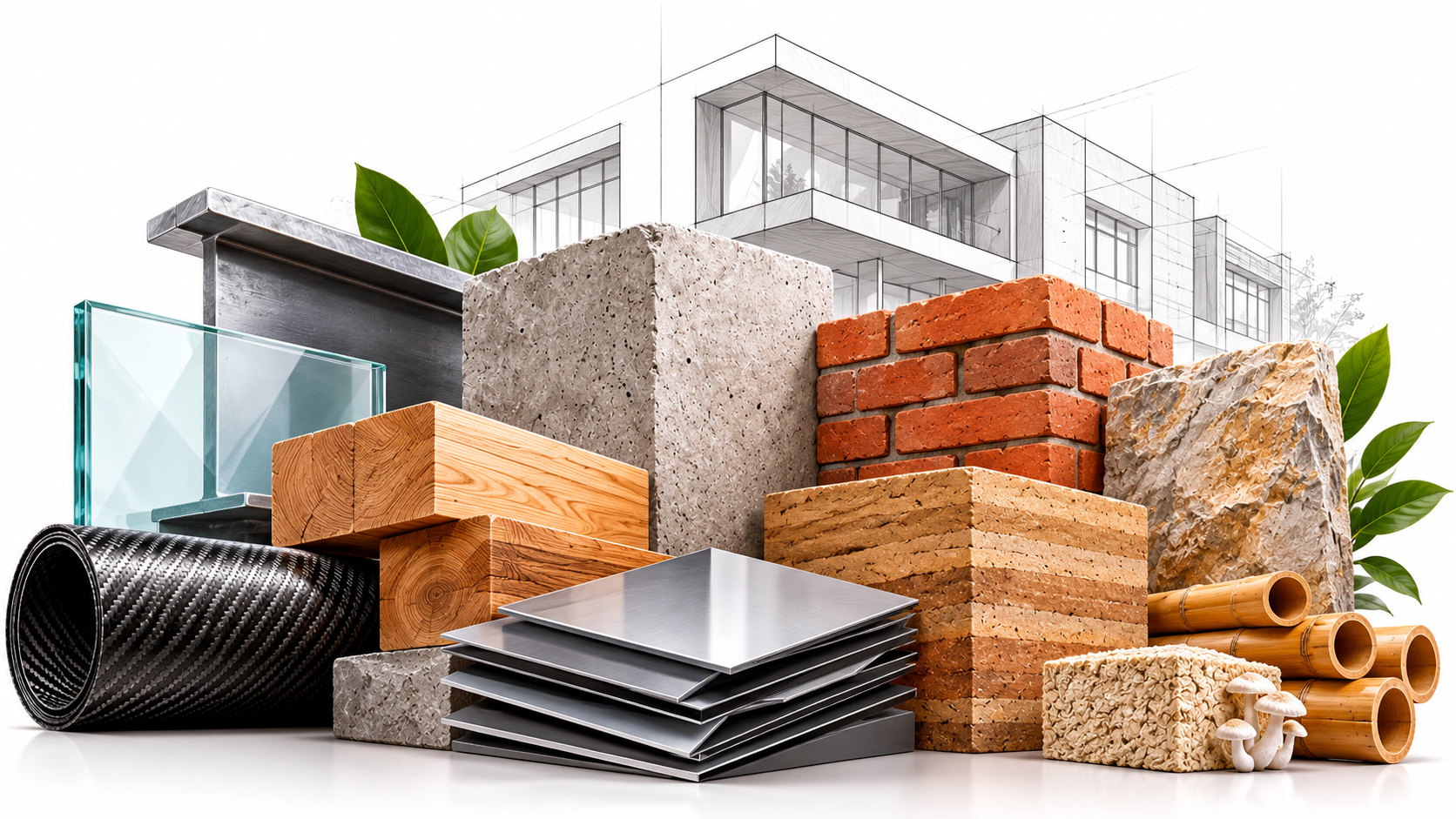
Concrete, steel, timber, brick, stone and glass: these six materials shape most of the buildings you see. But architecture materials do more than hold up a roof. They set the cost, the comfort, the carbon footprint and the look of a building.
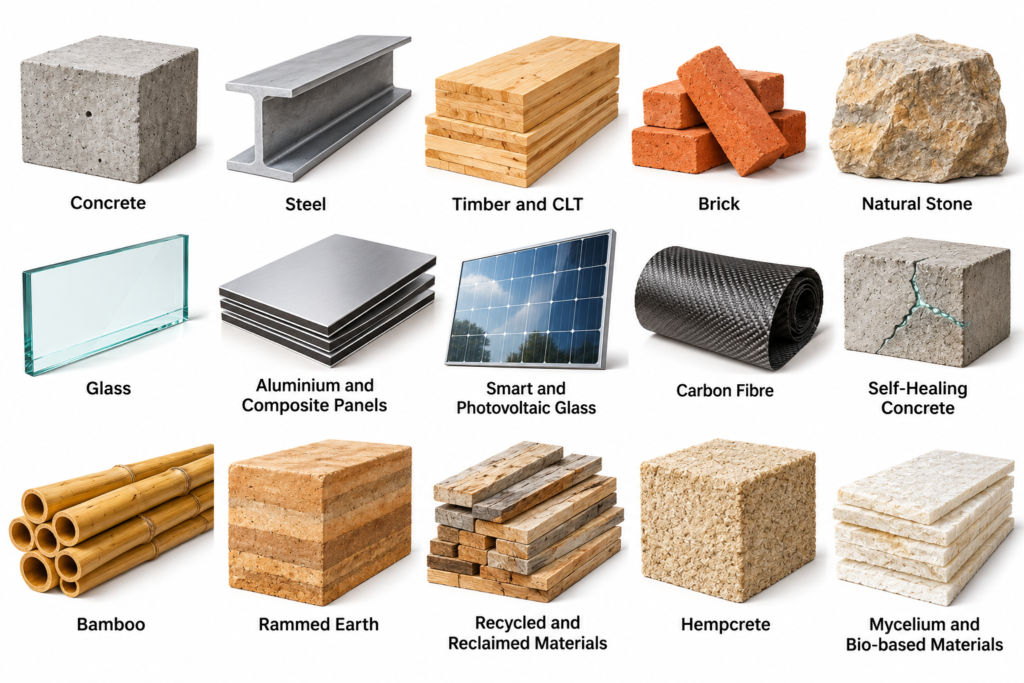
This guide covers 15 types in plain language. You get a quick list, real examples, a comparison table and a checklist for choosing the right one. It also covers India-specific points, such as climate zones and local codes, that most global guides skip.
Architects, interior designers, students and builders can use it as a quick reference. Read it once, then keep the table and the checklist for your next project.
What Are Architecture Materials?
Architecture materials are the physical substances used to build and finish a structure. Some carry loads, such as concrete, steel and timber. Others shape the surface and the feel of a space, such as glass, stone and cladding panels. Designers also use the term architectural materials, and many people simply say building materials.
The idea is old. The Roman writer Vitruvius said a building needs three things: firmitas (strength), utilitas (usefulness) and venustas (beauty). Materials serve all three.
Firmitas is about durability. A material must carry loads, resist weather and last for decades. Cracks, rust and rot are failures of firmitas.
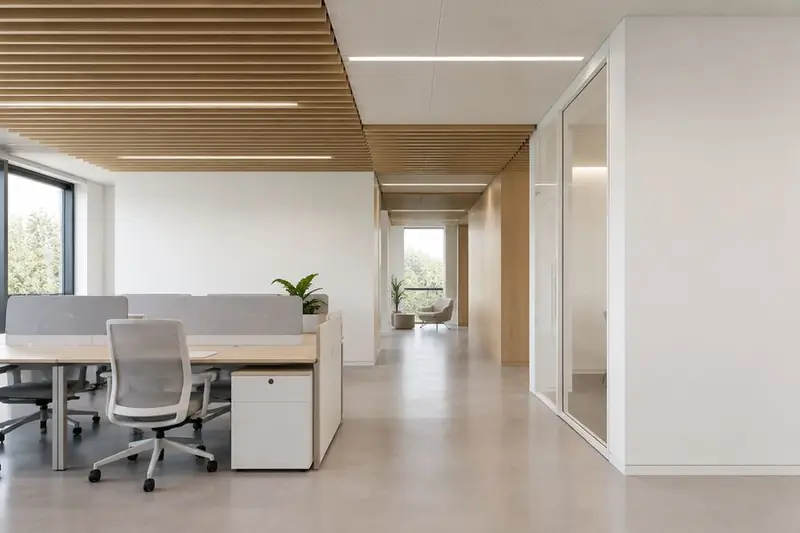
Venustas is about delight. Stone feels solid, timber feels warm and glass feels light. The same floor plan looks and feels different in each.
Today, designers add a fourth test: carbon. Depending on the study, cement alone causes roughly 5% to 8% of global CO₂ emissions. That is why material choice now sits at the start of design, not the end.
Types of Architecture Materials at a Glance
The main types of architecture materials fall into four groups. Most buildings mix several of them.
- Traditional materials: brick, stone, timber and glass. Builders have trusted them for centuries.
- Metal-based materials: steel and aluminium. They give strength, speed and long spans.
- Modern and engineered materials: smart glass, carbon fibre, self-healing concrete and composite panels. Each solves a specific problem.
- Sustainable and bio-based materials: bamboo, rammed earth, hempcrete, mycelium and reclaimed materials. They cut embodied carbon, which is the carbon released while making and moving a material.
Architecture Materials List: 15 Types in One Table
| Material | Main use |
|---|---|
| Concrete | Foundations, frames, floors |
| Steel | Frames, long spans, towers |
| Timber and CLT | Frames, floors, interiors |
| Brick | Walls, facades |
| Natural stone | Cladding, floors, monuments |
| Glass | Windows, facades |
| Aluminium and composite panels | Cladding, window frames |
| Smart and photovoltaic glass | Facades, skylights |
| Carbon fibre | Reinforcement, light structures |
| Self-healing concrete | Basements, tanks, foundations |
| Bamboo | Frames, roofs, flooring |
| Rammed earth | Thick walls |
| Recycled and reclaimed materials | Structure, finishes |
| Hempcrete | Insulating wall infill |
| Mycelium and bio-based materials | Insulation, panels |
Building Materials Used in Architecture
Six building materials used in architecture cover most of the world’s buildings: concrete, steel, timber, brick, stone and glass. Each has clear strengths and limits.
Concrete
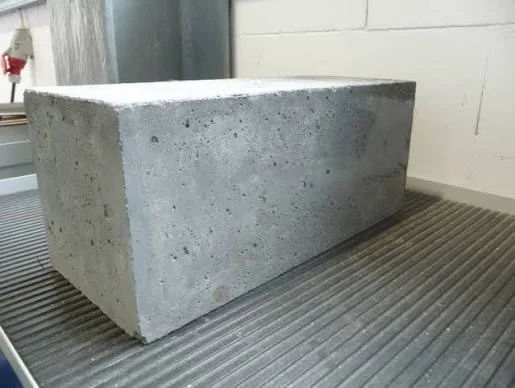
Concrete is cement, water, sand and gravel. It resists crushing, costs little and takes almost any shape. Steel bars inside it (reinforced concrete, or RCC) handle pulling forces.
In India, structural RCC usually starts at grade M20, which means a design compressive strength of 20 MPa. The Pantheon in Rome shows how long concrete can last. Its dome dates to the 2nd century CE and is widely called the largest unreinforced concrete dome in the world.
The catch is carbon. Concrete is the second most consumed substance on Earth after water, and cement is the main source of its emissions. Tip: ask for blended cements such as Portland Pozzolana Cement (PPC), which replace part of the clinker with fly ash.
Steel
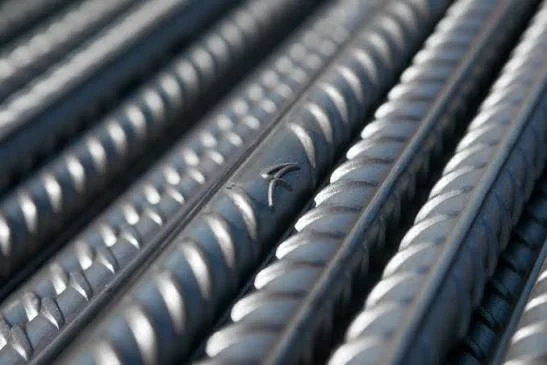
Steel is strong in both tension and compression. It is light for its strength, and factories can prepare it before it reaches the site. That makes building faster.
Reinforcement bars in India are commonly Fe 500 grade, which means a yield strength of 500 MPa. The Empire State Building, finished in 1931 with 102 storeys, is a classic steel-frame tower.
Steel rusts and loses strength in a fire. Protect it with galvanising, paint or fire-resistant coatings. It is also highly recyclable, which helps its carbon record.
Timber and Engineered Timber (CLT)
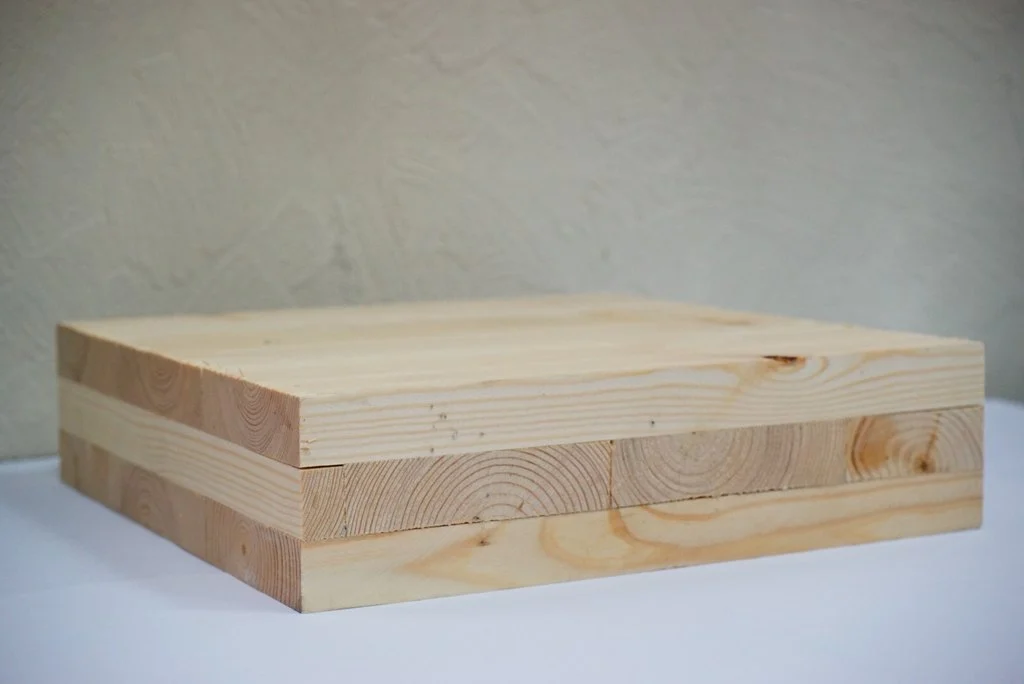
Cross-laminated timber (CLT) is made by gluing layers of wood at right angles. The result is strong, stable and far lighter than concrete. Growing trees also store carbon.
Timber towers keep getting taller. Mjøstårnet in Norway reached 85.4 metres in 2019. The Ascent tower in Milwaukee, certified at 86.6 metres in 2022, took the title. Atlassian Central in Sydney, a hybrid of timber, concrete and steel, topped out at about 180 metres in 2026.
Thick timber chars slowly in a fire, but it still needs careful fire design. Keep it dry, and choose wood certified by FSC or a similar scheme.
Brick
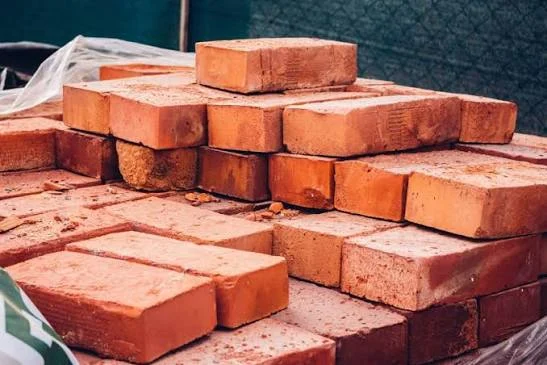
Brick is fired clay. It lasts long, stores heat well and is easy to repair. It needs no special machines, so it suits many budgets.
The Indian Institute of Management Ahmedabad, designed by Louis Kahn from the early 1960s, shows brick at its best. Its deep walls and arches also shade the interiors.
Brick is slow to lay and weak when pulled. Indian standards set a minimum compressive strength of 3.5 MPa for common burnt clay bricks. Fly ash bricks and AAC blocks are popular lighter options.
Natural Stone
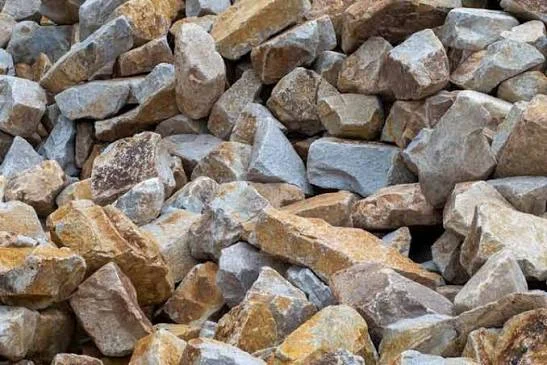
Granite, marble, sandstone and limestone all fall here. Stone is hard, long-lasting and beautiful, and it often looks better with age.
The Brihadeeswara Temple in Thanjavur, built in the early 11th century, is made largely of granite. Its tower has stood for about a thousand years.
Stone is heavy and costly, and quarrying harms land. Use local stone when you can, because it cuts transport cost and carbon.
Glass
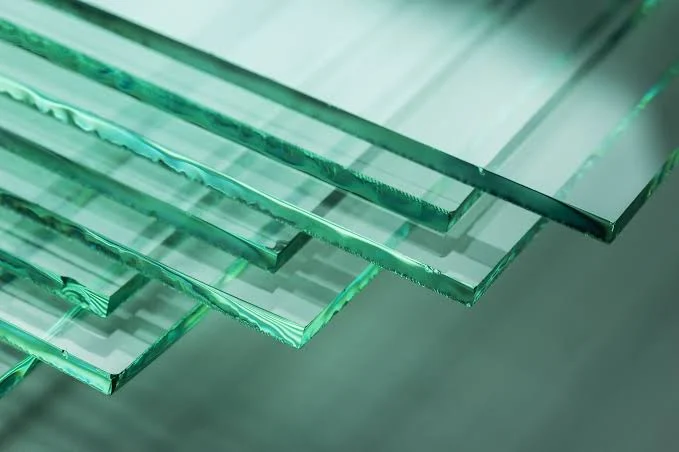
Glass brings in daylight and views. Modern types include toughened, laminated and insulated glass, often with low-emissivity (low-e) coatings that cut heat gain.
The Crystal Palace in London, built in 1851 from cast iron and glass for the Great Exhibition, proved that a building could be almost transparent.
Plain glass lets in too much heat in warm climates. Choose solar-control, low-e double glazing and plan shading early.
Smart and Photovoltaic Glass
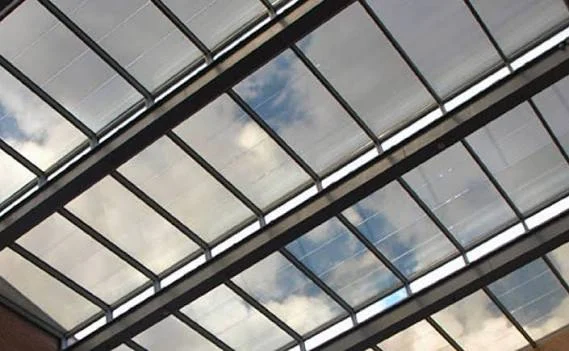
Smart glass, also called electrochromic glass, changes tint when a small current passes through it. It cuts glare and heat without blinds.
Photovoltaic glass has solar cells built in, so a facade or skylight can produce power. Expect a higher price and slightly less light passing through. Compare the payback against local sunshine and electricity tariffs.
Carbon Fibre
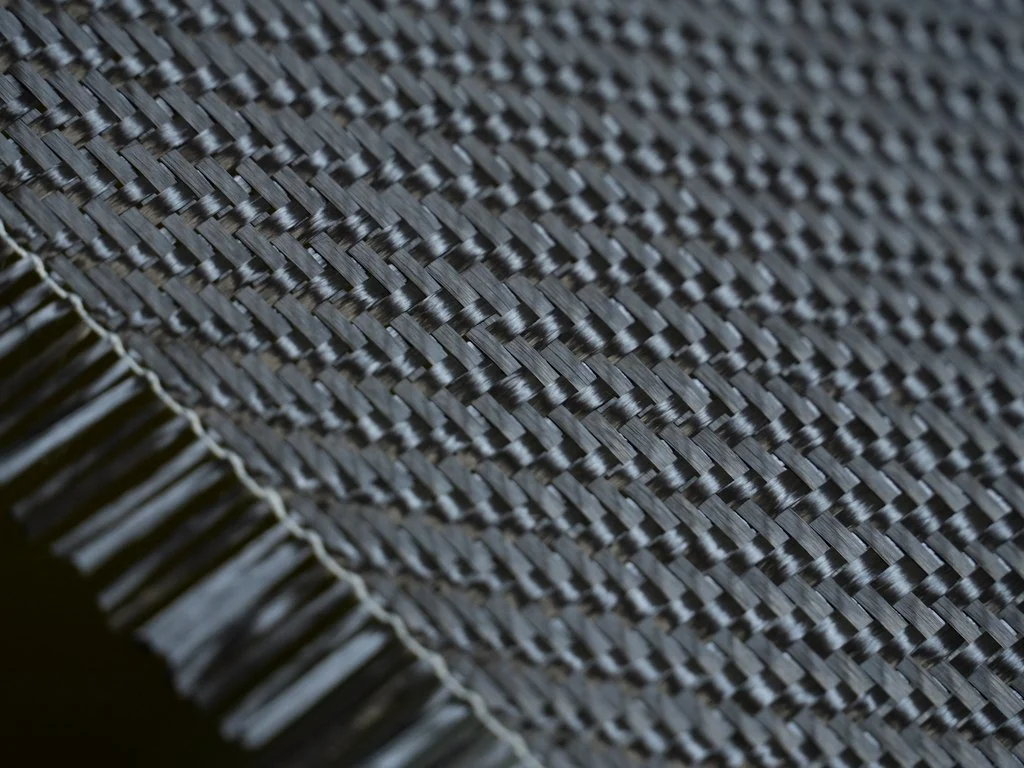
Carbon fibre has a very high strength for its weight. Builders wrap it around old columns and beams to strengthen them, and designers use it for light, curved structures. Research pavilions at the University of Stuttgart are well-known examples.
Its main limits are price and the need for skilled installation.
Self-Healing Concrete
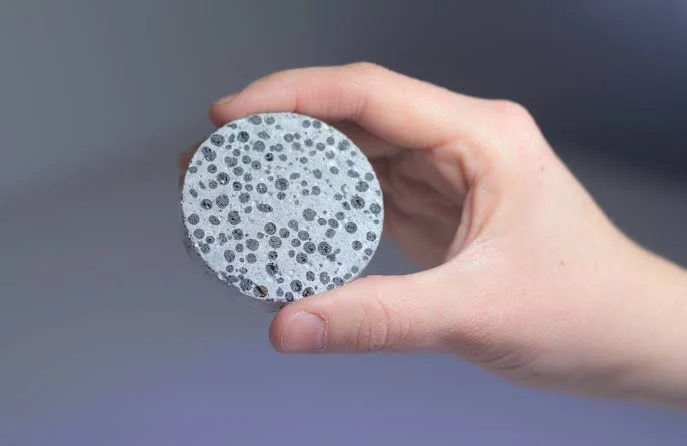
Self-healing concrete holds dormant bacteria and a food source in the mix. When water enters a small crack, the bacteria wake up and produce limestone that seals it. Research at TU Delft helped develop the idea.
It suits basements, tanks and foundations, where leaks are costly. Check the cost and the supplier’s test data in your region before specifying it.
Aluminium and Composite Panels
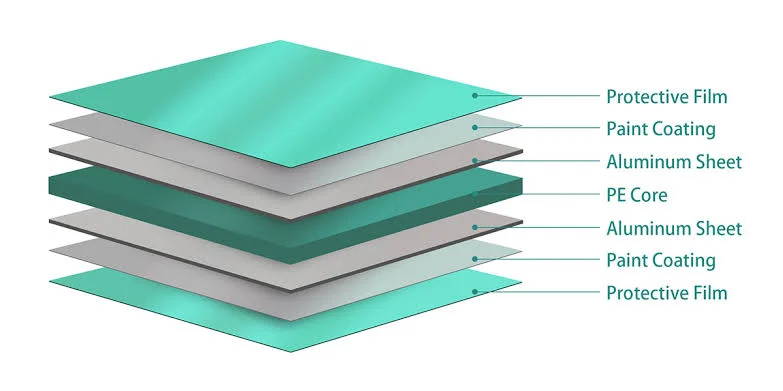
Aluminium is light, resists rust and can be recycled again and again. It appears in window frames, louvres and facade cladding.
Aluminium composite panels (ACP) bond two thin aluminium sheets to a core. Choose the core with care. Panels with a polyethylene core contributed to the 2017 Grenfell Tower fire in London. Specify fire-retardant or non-combustible cores, and check the National Building Code of India (2016) and local fire rules.
Bamboo
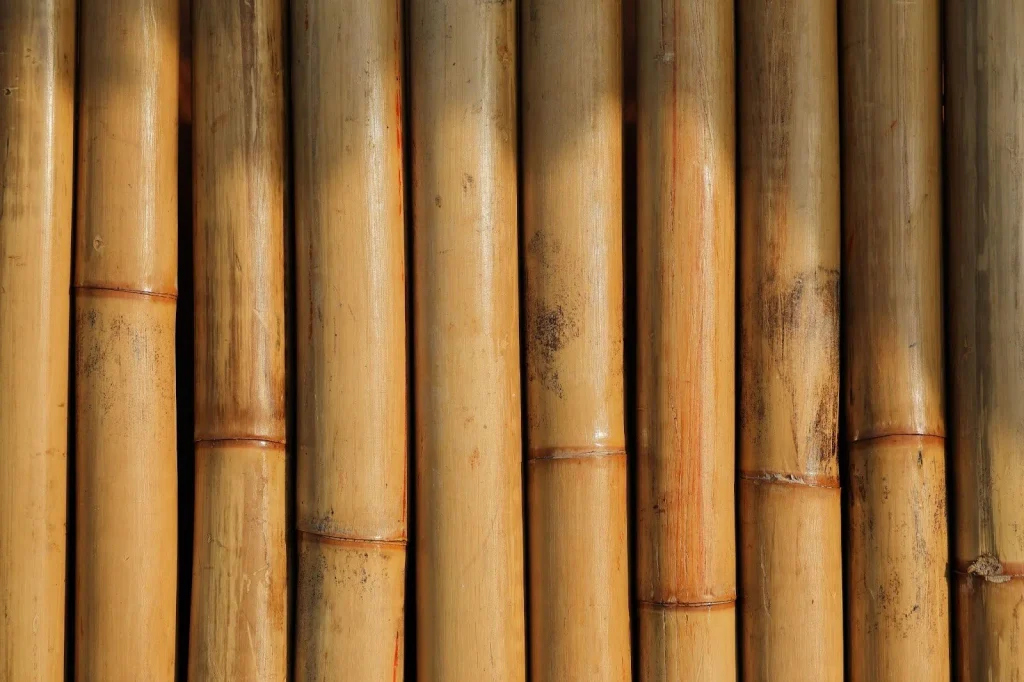
Bamboo is a grass, not a tree. It reaches harvest age in a few years, while many timber species take decades. It is strong for its weight and works well for frames, roofs and flooring.
The Green School in Bali is a well-known example of large bamboo buildings.
Bamboo must be treated against insects and rot. Keep it dry and lift it off the ground.
Rammed Earth
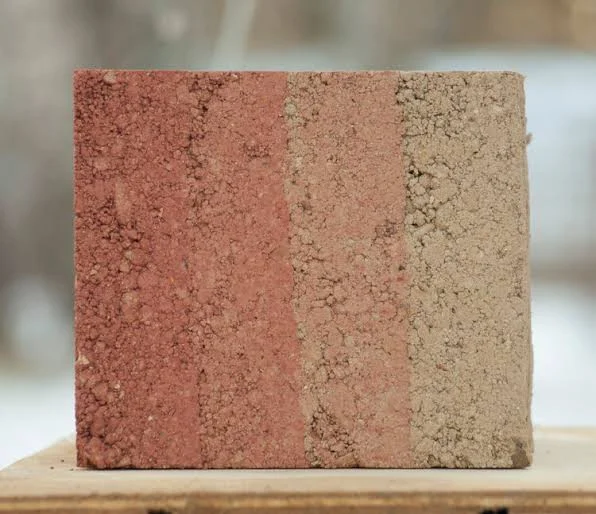
Rammed earth is made by pressing layers of soil, sand, gravel and clay into formwork, sometimes with a little cement. The walls are thick and heavy. That mass absorbs heat by day and releases it at night, which helps in hot, dry climates.
It has very low embodied energy when the soil is local. Protect it from water with a wide roof overhang and a raised base.
Recycled and Reclaimed Materials
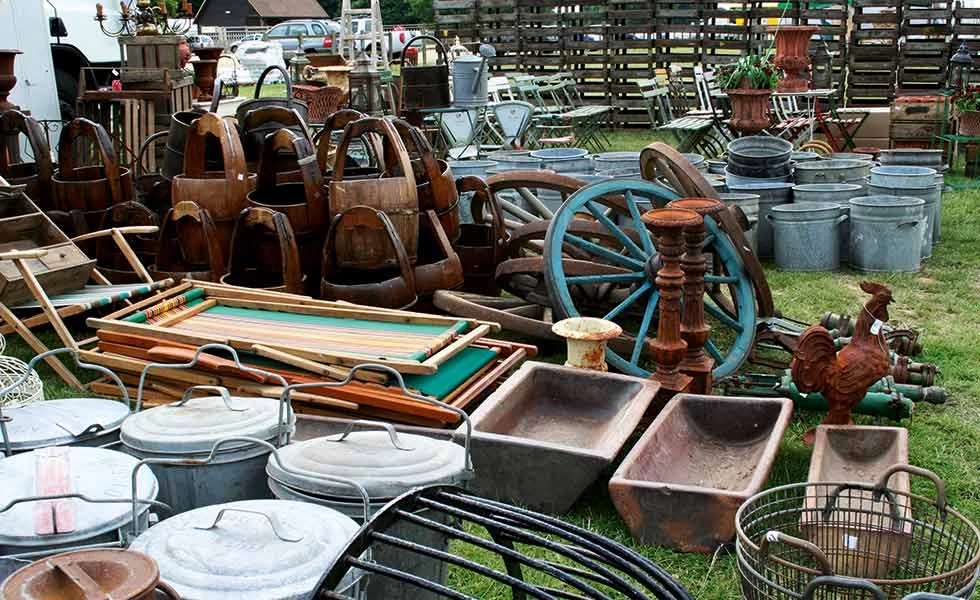
Reuse is often the greenest choice. Recycled steel, reclaimed timber, salvaged brick, crushed concrete aggregate and fly ash bricks all keep waste out of landfills. In India, fly ash comes from thermal power plants, so these bricks turn a waste stream into a product.
Check quality before reusing structural pieces, and ask for tests or grading where needed.
Hempcrete
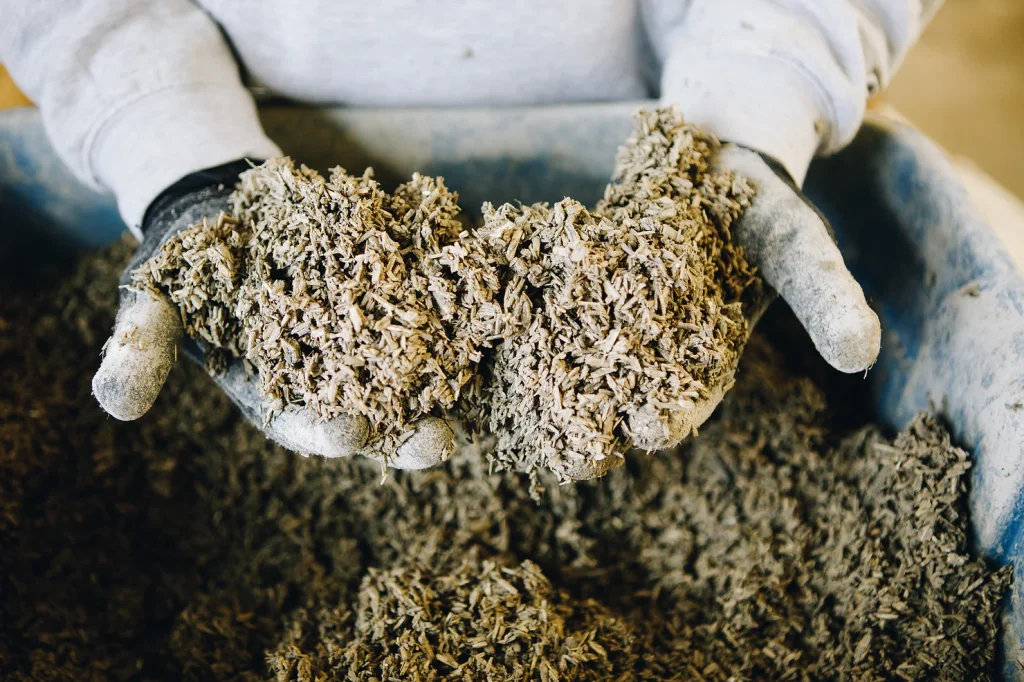
Hempcrete mixes hemp stalks (hurds) with a lime binder. It is light, breathable and a good insulator. It does not carry loads, so builders use it as infill around a timber or concrete frame.
It cures slowly and needs a skilled team. Check local rules on industrial hemp, because they vary by country and state.
Mycelium and Other Bio-Based Materials
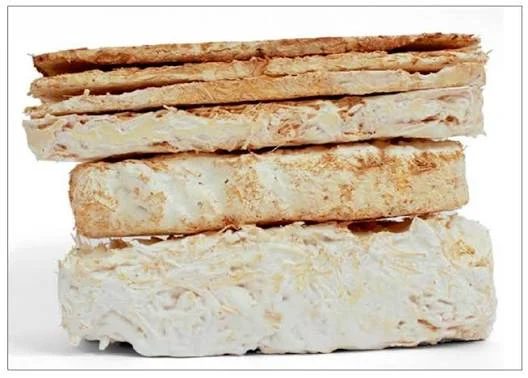
Mycelium is the root network of fungi. Makers grow it in moulds filled with farm waste, then dry it into bricks or insulation. The material is light and compostable.
The Hy-Fi tower at MoMA PS1 in New York (2014) was built from mycelium bricks. The technology is still young. It suits prototypes, panels and insulation better than structure, and it needs protection from moisture.
Architecture Materials Examples from Famous Buildings
Famous buildings show how materials behave over time. Use these as quick reference points for your own projects.
Concrete and Steel Examples
- Burj Khalifa, Dubai (2010): about 828 metres tall, with a reinforced concrete structure and a steel spire at the top.
- Sydney Opera House (1973): concrete shells covered in ceramic tiles. The tiles give the roof its pale, shining look.
Timber and Stone Examples
- Daibutsuden, Todai-ji, Nara: one of the largest wooden buildings in the world, rebuilt in 1709.
- Taj Mahal, Agra: white marble over a brick core, built in the 17th century.
- Red Fort, Delhi: red sandstone walls, completed in 1648.
Glass and Modern Material Examples
- Louvre Pyramid, Paris (1989): a glass and steel pyramid that brings light into the museum below.
- Hy-Fi, New York (2014): a temporary tower of mycelium bricks that showed bio-based materials at full scale.
Properties of Architecture Materials Compared
The properties of architecture materials differ a lot in strength, cost and carbon impact. For scale, M25 concrete is designed for 25 MPa in compression, Fe 500 steel bars have a 500 MPa yield strength, and common clay bricks must reach at least 3.5 MPa. The table below is a general guide, not test data. Always check product data sheets and local codes.
Comparison Table (Strength, Cost, Sustainability, Best Use)
| Material | Strength | Cost | Sustainability | Best use |
|---|---|---|---|---|
| Concrete | High (compression) | Medium | Low to medium | Frames, foundations |
| Steel | Very high | Medium to high | Medium (recyclable) | Long spans, towers |
| Timber / CLT | Medium to high | Medium | High if certified | Mid-rise frames, interiors |
| Brick | Medium (compression) | Low to medium | Medium | Walls, facades |
| Natural stone | High (compression) | High | Medium (best if local) | Cladding, floors |
| Glass | Medium | Medium to high | Low to medium | Facades, daylight |
| Aluminium | Medium | Medium to high | Medium to high | Cladding, window frames |
| Bamboo | Medium to high | Low | High | Low-rise, roofs |
| Rammed earth | Medium | Low to medium | High | Walls in dry climates |
| Hempcrete | Low (infill only) | Medium | High | Insulation |
Durability and Climate Suitability
Durability depends on climate as much as on the material. India’s building code groups the country into five climate zones, and each one favours different choices.
| Climate zone | Example cities | Material priorities | Watch out for |
|---|---|---|---|
| Hot and dry | Jodhpur | Stone, rammed earth, thick brick walls | Glare, heat through glass |
| Warm and humid | Mumbai, Chennai | Corrosion-resistant metals, good waterproofing | Salt, damp, mould |
| Composite | Delhi | Insulated walls, shaded glass | Summer heat and winter cold |
| Temperate | Bengaluru | Brick, timber, light cladding | Heavy monsoon rain |
| Cold | Srinagar | Insulation, double glazing, timber | Frost damage, heat loss |
Earthquake zones need extra care. Use ductile materials and tested detailing, whatever the climate.
How to Choose the Right Architecture Materials
To choose architecture materials well, start with the site, then the budget, then performance and rules. Check each option against all four before you commit.
Climate and Location
Match the material to the weather. Plan shading and insulation for heat, waterproofing for rain and corrosion-resistant metals near the sea. Local materials also cut transport cost and carbon.
Budget and Availability
Look at lifetime cost, not only the purchase price. A cheap finish that needs repainting every few years can cost more over time. Check lead times too, because imported products can delay a project.
Structural and Performance Needs
List what the material must do: carry load, resist fire, block sound or insulate. Involve the structural engineer early. Some materials, such as hempcrete and mycelium, suit infill and insulation but not structure.
Sustainability and Building Codes
Check the National Building Code of India (2016) and local fire and structural rules. For green goals, look at rating systems such as IGBC and GRIHA. Ask suppliers for environmental product declarations (EPDs), which report a product’s carbon footprint.
Material Selection Checklist
- Does it suit the local climate zone?
- Does it meet structural and fire requirements?
- Is the full lifetime cost within budget?
- Is it available nearby, with a reliable supplier?
- Does it have low embodied carbon or recycled content?
- Does the maker provide test reports and warranties?
- Can it be maintained, repaired or reused?
Architecture Materials for Students and Model Making
Students learn materials best by touching them. Model making then shows how each one behaves at small scale.
Materials for Architecture Students
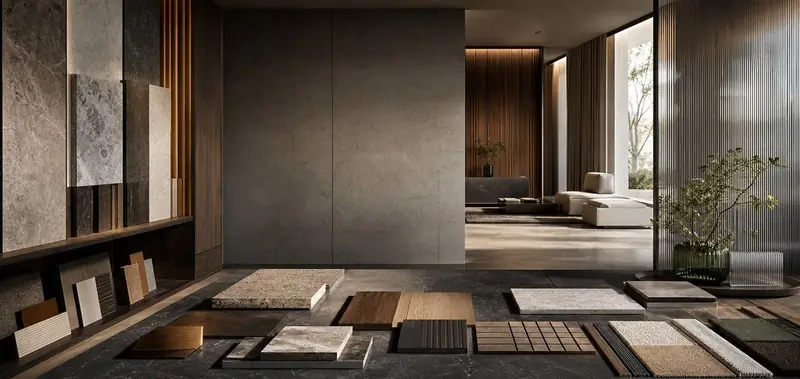
Start a small sample box. Collect offcuts of brick, stone, timber, glass, metal and tile. Visit building sites and material libraries, and note each sample’s weight, texture and finish.
Keep a notebook with the source, the use and the price range for each one. Then study how a real project uses it. This habit pays off in studio and in your first job.
Architecture Materials for Models
The best architecture materials for models are easy to cut and glue, and they leave clean edges. Pick by purpose.
- Card and mount board: low cost, good for study models.
- Foam board: light and quick for massing models.
- Balsa and basswood: thin sticks and sheets for structure.
- Acrylic: clear sheets that stand in for glass.
- MDF and plywood: laser-cut parts for presentation models.
- Clay or plasticine: terrain and organic shapes.
- 3D printing (PLA): complex shapes and repeat parts.
Match the material thickness to your scale, and reuse offcuts to cut waste.
Frequently Asked Question About Architecture Material
Architectural materials are the natural, manufactured and engineered substances used to design and construct buildings. They include concrete, steel, timber, brick, glass and natural stone, along with modern materials such as carbon fibre and smart glass. These materials influence a building’s strength, durability, appearance, energy efficiency and environmental performance.
Concrete, steel, glass, timber, brick and aluminium are among the most commonly used materials in modern architecture. They are selected for their structural strength, flexibility, durability and aesthetic appeal. Architects also increasingly explore sustainable alternatives such as bamboo, recycled materials and hempcrete.
Conventional glass primarily provides transparency, daylight and visual connection with the surroundings. Smart glass can change its optical properties, such as transparency or tint, in response to electrical signals or environmental conditions. Photovoltaic glass goes further by incorporating solar technology to generate electricity while serving as part of a building’s facade or glazing system.
Traditional building materials include brick, natural stone, timber and conventional concrete, which have been used for centuries. Modern building materials include smart glass, carbon fibre, self-healing concrete and advanced composite panels. Modern materials often offer specialised properties such as improved performance, lighter weight, energy efficiency or enhanced durability.
Architects should consider structural strength, durability, climate suitability, thermal performance, fire resistance, maintenance requirements, cost, availability and environmental impact. The intended use of the building and its design requirements also influence material selection.
Mycelium-based materials are developed using the root-like network of fungi, which can bind organic agricultural waste into lightweight composite products. They are being explored for insulation, interior panels, acoustic applications and experimental architectural components. Their structural applications remain limited and depend on further testing and development.